This article originally appeared in New York magazine on December 3, 2025.
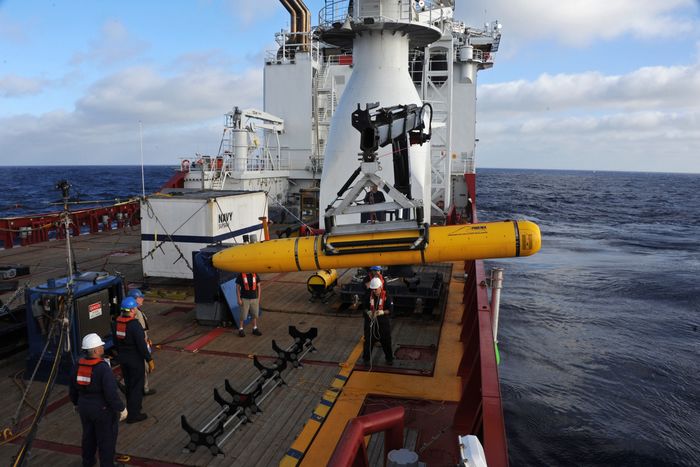
The on-again, off-again search for the wreckage of the Malaysian airliner that went missing 11 years ago is back on. On Wednesday, the country’s transportation ministry announced that marine-survey company Ocean Infinity would begin scanning the Indian Ocean seabed on December 30, with the project set to take 55 days, conducted “intermittently.”
MH370, which took off from Kuala Lumpur on March 8, 2014, was scheduled as a red-eye flight to Beijing and carried 239 passengers and crew members. But the Boeing 777 went electronically dark 40 minutes into the flight, and mysterious satellite communications signals later indicated that it had flown to a remote area of the southern Indian Ocean before evidently crashing. Only a few dozen pieces of debris have ever been found.
The new search appears to be a continuation of an effort Malaysia first announced last November, when it said Ocean Infinity would be searching about 6,000 square miles under the terms of a “no find, no fee” deal that would see Malaysia pay the company $70 million only if it found the plane’s wreckage.
Continue reading The Latest MH370 Search Implies Something Unusual Happened